April 9, 2026
Maintaining a beautiful landscape involves more than just mowing the lawn and planting seasonal flowers. For homeowners with mature trees, proactive management is a critical component of property maintenance that often goes overlooked until a problem arises. While trees provide shade, aesthetic beauty, and environmental benefits, they can also become significant liabilities if they are neglected. Strategic tree cutting is not merely about clearing a view; it is a fundamental safety measure designed to protect your home, your family, and your neighbors from predictable hazards.
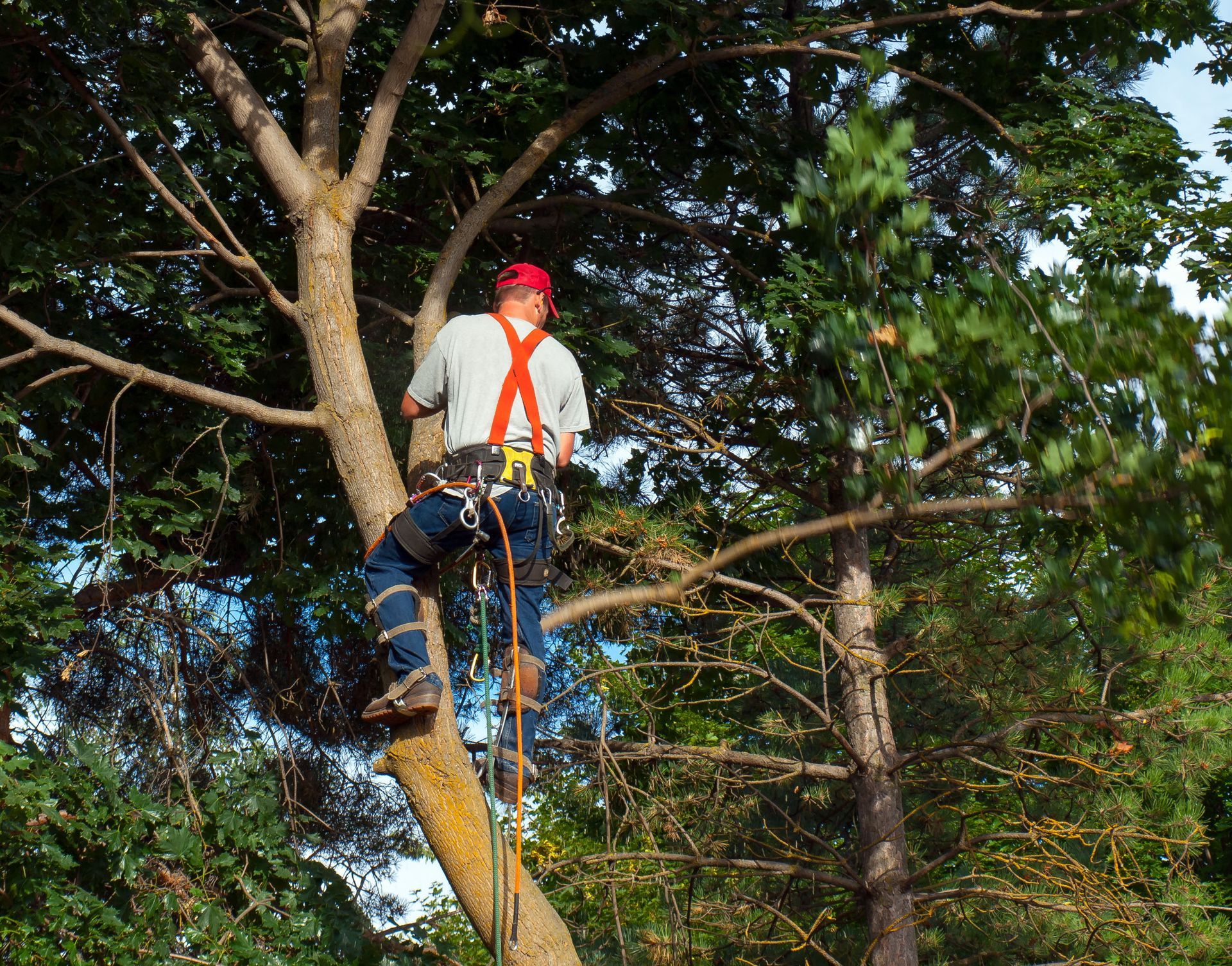
The risks associated with large trees are significant and often require specialized knowledge to mitigate. Many property owners underestimate the weight and force of a falling limb or a compromised trunk. To ensure the safety of everyone involved, it is vital to recognize when a task exceeds the capabilities of a standard homeowner. According to Forestry.com, any tree over 12 feet or near structures or power lines should be handled by professionals due to safety risks. By understanding the various ways that professional tree services enhance security, you can make informed decisions that safeguard your most valuable assets.
Eliminating the Threat of Falling Limbs
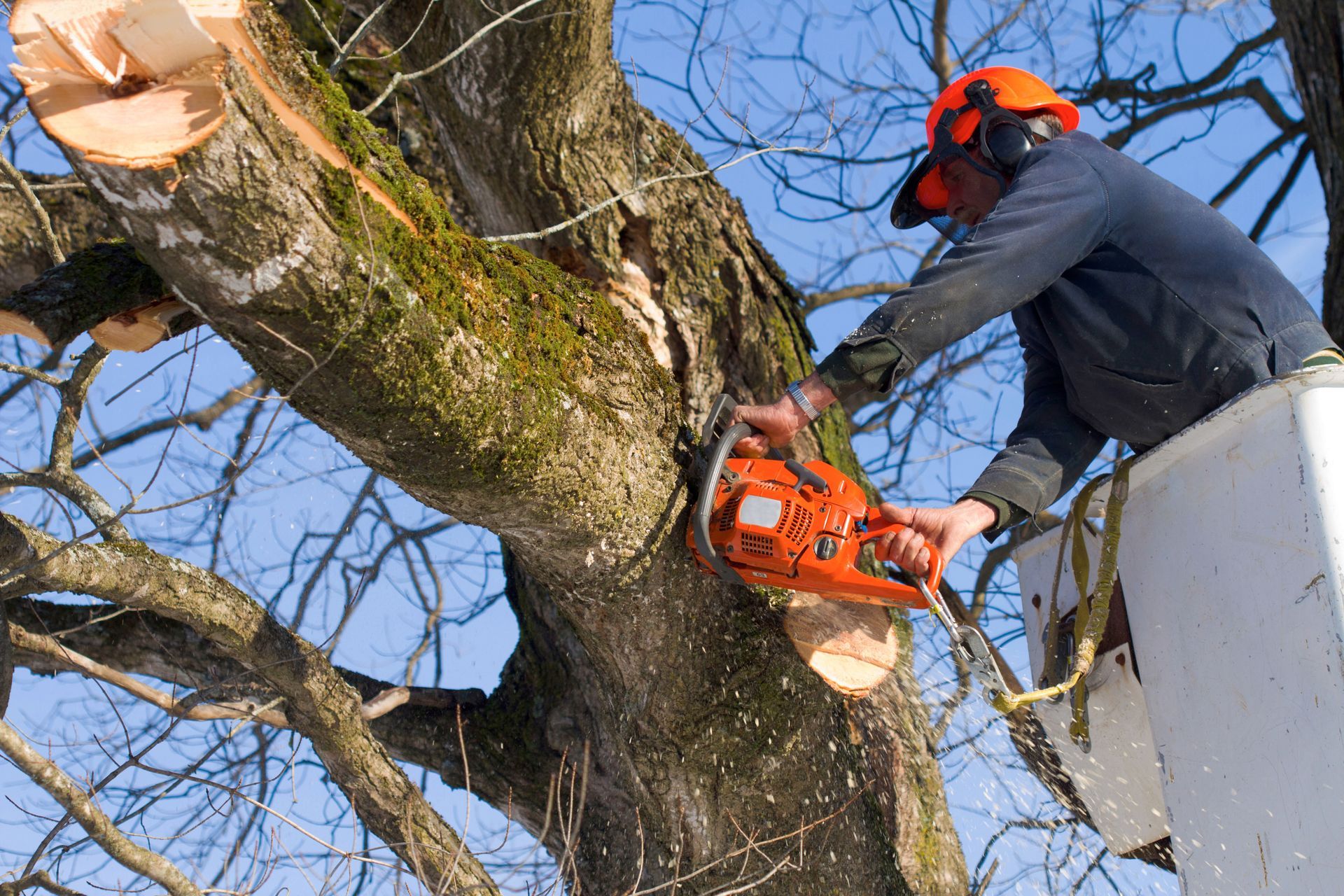
One of the most common safety hazards on a residential property is the presence of "widow-makers," which are large, dead, or broken branches that are hanging precariously in the canopy. These limbs can fall at any moment, often triggered by nothing more than a light breeze or the simple force of gravity. Professional tree cutting involves a systematic identification of these high-risk branches. By removing deadwood and structurally unsound limbs, professionals prevent unpredictable accidents that could cause severe injury to people walking below or damage to vehicles parked nearby.
Furthermore, regular thinning of the canopy reduces the "sail effect" during high winds. When a tree's foliage is too dense, it acts like a giant sail, catching the wind and putting immense pressure on the trunk and root system. Through strategic cutting, an arborist can allow wind to pass through the canopy more freely. This reduces the likelihood of the entire tree uprooting during a storm, which is a catastrophic event that can lead to massive property destruction and structural compromise to the main residence.
Protecting Structural Integrity and Roofing
Trees that grow too close to a home present several hidden dangers to the building's physical structure. Overhanging branches serve as a bridge for pests, such as squirrels, raccoons, and carpenter ants, giving them easy access to your attic and roofline. Once these pests gain entry, they can cause extensive damage to insulation, wiring, and wooden supports. Regular tree cutting ensures there is a safe buffer zone between your home and the surrounding flora, effectively cutting off the highway for unwanted wildlife.
Additionally, branches that scrape against the roof can strip the granules off shingles or puncture roofing membranes over time. This mechanical wear leads to premature roof failure and leaks that can cause thousands of dollars in water damage. In damp climates, low-hanging branches also create excessive shade, preventing the roof from drying out after rain. This leads to the growth of moss, mold, and algae, which rot the roofing materials. By keeping limbs trimmed back, you allow for proper airflow and sunlight, which are essential for maintaining a dry, healthy roof structure.
Securing Power Lines and Utility Infrastructure
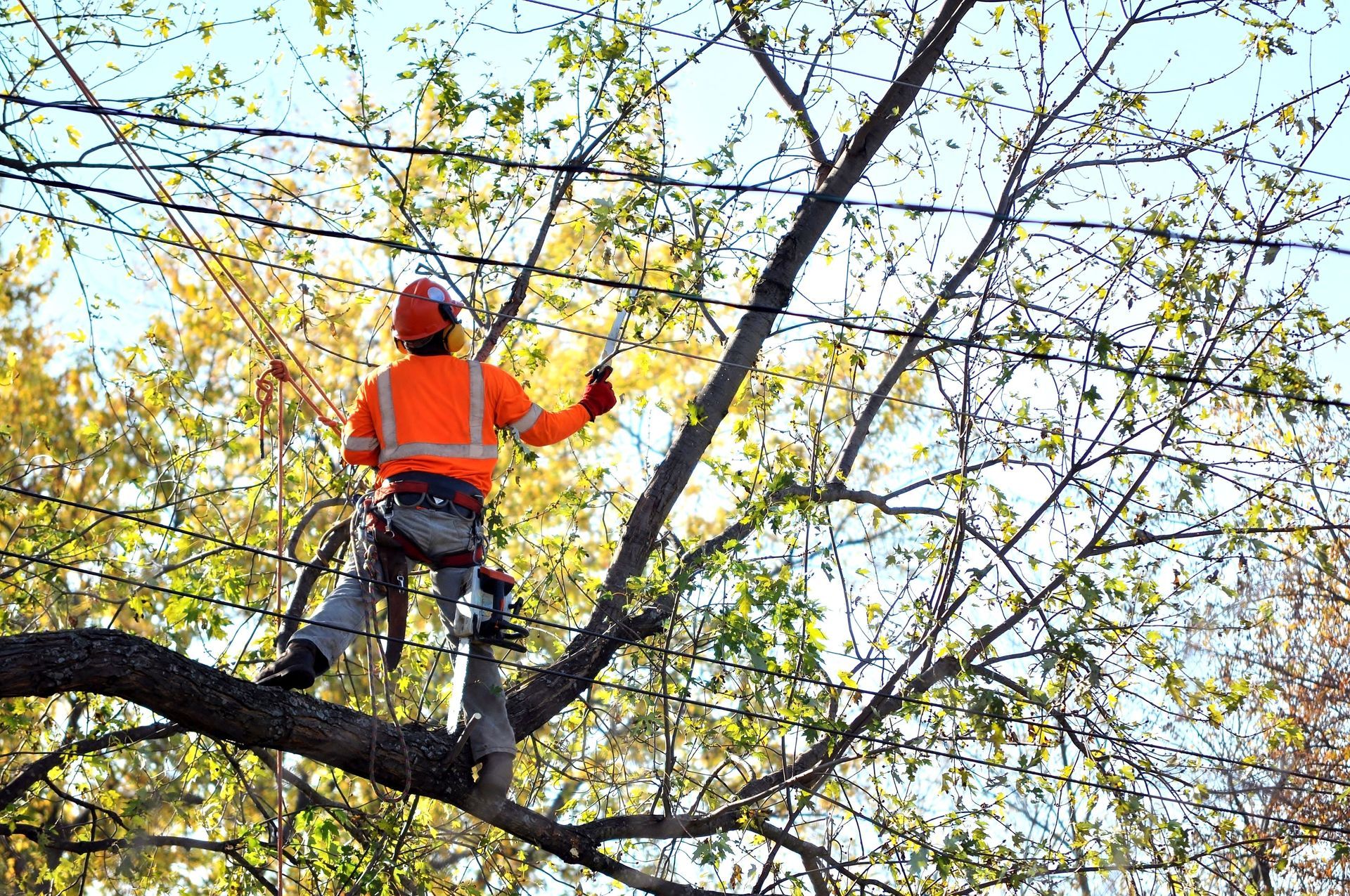
Trees and utility lines are a dangerous combination, especially during volatile weather. When branches grow into or near power lines, they create a high risk for electrical fires, localized power outages, and even lethal ground faults. During a storm, a branch touching a live wire can conduct electricity down the tree or cause the wire to snap. Because of the extreme danger of electrocution, this specific type of tree cutting should never be attempted by a novice, as the utility environment requires specialized tools and certification.
By proactively managing the growth of trees near utilities, property owners contribute to the stability of the entire neighborhood's power grid. Professional crews use specific techniques to direct growth away from lines without compromising the health of the tree. This preventative maintenance prevents the "surprises" that occur during ice storms or heavy summer thunderstorms, ensuring that your utility connections remain intact and that your yard does not become a high-voltage hazard zone for emergency responders or family members.
Improving Line of Sight and Security
Safety is not only about physical structures but also about visibility and crime prevention. Overgrown trees and low-hanging brush can create "blind spots" on a property, obstructing the view of the driveway, the street, or entry points to the home. This lack of visibility can be a safety concern for drivers pulling out of the garage and for pedestrians. Tree cutting to lift the canopy—a process known as crown raising—improves the line of sight across the property, making it much safer for vehicular traffic and children playing in the yard.
From a security standpoint, dense, unmaintained trees provide cover for intruders. A property that looks overgrown and neglected can signal that the owners are not vigilant, making it a more attractive target. By keeping trees trimmed and the landscape tidy, you eliminate potential hiding spots and ensure that security cameras and motion-sensor lights have an unobstructed field of view. A well-maintained landscape sends a clear message of care and oversight, which is often enough to deter unauthorized individuals from entering the premises.
Preventing Underground Damage and Trip Hazards
While much of the focus of tree cutting is on what happens above ground, the management of a tree’s size directly impacts what happens below the surface. Large trees require expansive root systems for stability and nutrient uptake. If a tree is allowed to grow unchecked in a confined space, its roots can eventually infiltrate sewer lines, crack septic tanks, and lift concrete sidewalks or driveways. These heaved surfaces create significant trip hazards for residents and can lead to costly liability claims if a guest is injured on the property.
In some cases, removing a tree that was planted too close to a foundation or a walkway is the only way to stop ongoing structural damage. Professional arborists can assess the growth patterns and determine if a tree’s root system is becoming a threat to the home's slab or basement walls. By addressing these issues through removal or growth regulation before the damage becomes severe, homeowners save themselves from the massive expense of foundation repairs and the physical danger of uneven walking paths throughout their landscape.
Mitigating Fire Risks in Vulnerable Areas
In regions prone to wildfires, or even in suburban areas during a drought, unmaintained trees represent a significant fuel source. Dead branches and overgrown underbrush act as "ladder fuels," allowing a small ground fire to climb into the tops of the trees, where it can spread rapidly from house to house. Professional tree cutting involves "defensible space" planning, where trees are thinned and pruned to reduce the total fuel load near the home. This is a vital component of modern fire safety for any property owner in a high-risk zone.
Removing dead wood and ensuring that the lowest branches are several feet off the ground can make the difference between a fire passing by a property and a fire consuming it. This type of maintenance does not mean removing all greenery; rather, it means managing it intelligently to create a break in the fuel path. By investing in professional tree care, you are essentially creating a protective perimeter that gives firefighters a better chance of defending your home and ensures that your landscape does not contribute to the intensity of a potential blaze.
Don't wait for a storm to reveal the hidden dangers lurking in your canopy. Whether you have a towering oak that needs structural pruning or a tree encroaching on your roofline, our team is ready to provide a thorough safety assessment. Protecting your property starts with a proactive plan and a partner you can trust. Contact Home Grown Tree Care, LLC today to schedule a consultation and experience the peace of mind that comes with a professionally maintained landscape. Let us help you safeguard your home for years to come.