March 3, 2026
Trees enhance curb appeal, improve air quality, and provide shade that makes outdoor spaces more comfortable. Their long-term health, however, depends on consistent care. Homeowners and property managers who invest in local tree services protect not only the appearance of their landscapes but also the structural safety of their properties. Routine maintenance helps trees resist disease, recover from environmental stress, and grow in a balanced, stable way.
Professional care includes inspections, pruning, soil management, and pest control. When these services are performed on a regular schedule, trees are better equipped to thrive in both residential and commercial environments.
Understanding Tree Health Fundamentals
Signs of a Healthy Tree
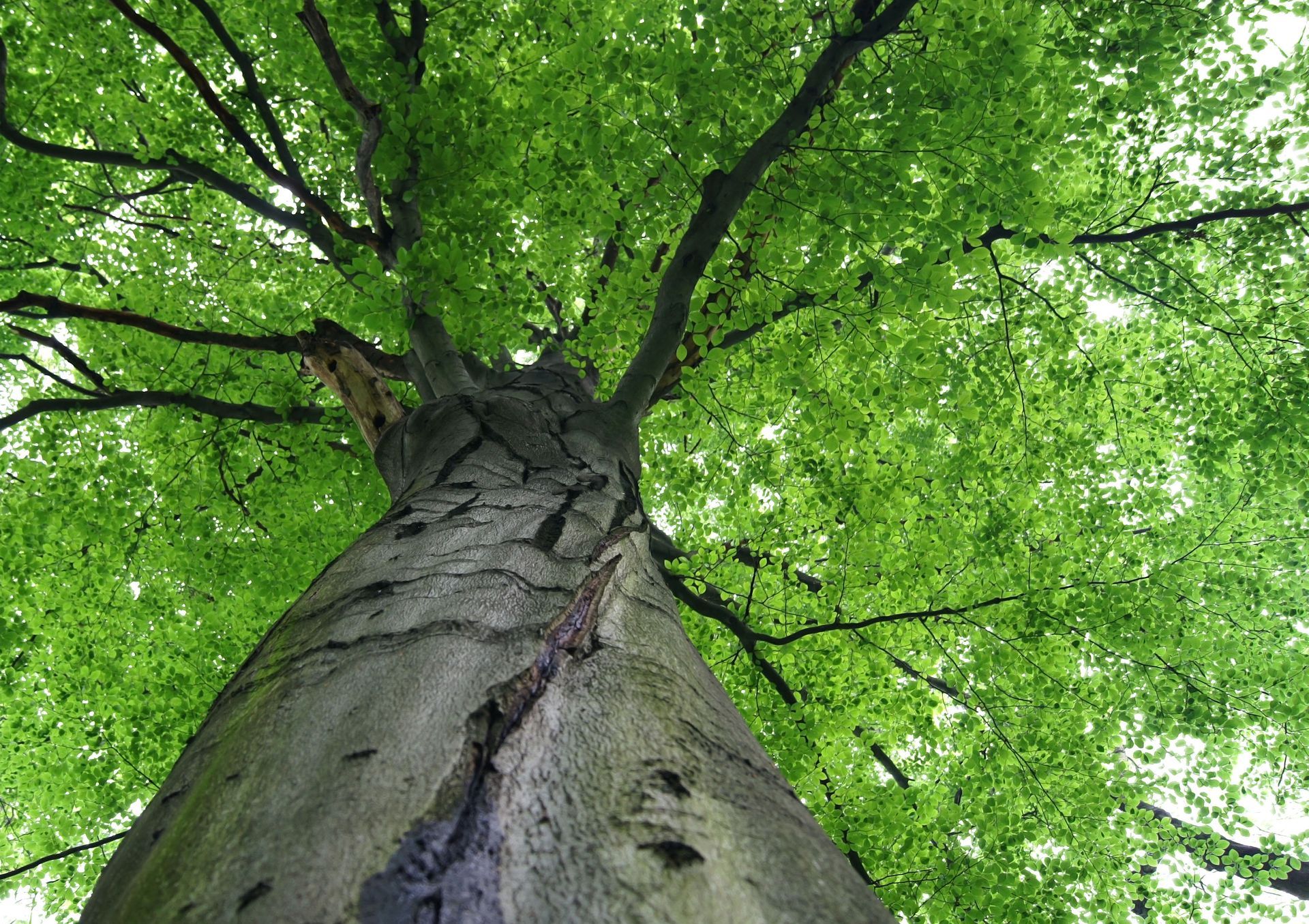
Healthy trees display vibrant leaves, strong branch structure, and steady annual growth. Foliage should match the expected size and color for the species. Branches should be evenly spaced and free from cracks or decay. A stable trunk and visible root flare at the base are additional indicators of good health. Routine evaluations by local tree services help identify subtle changes before they become serious problems.
Tree Structure and Function
Roots anchor the tree and absorb nutrients and water from the soil. The trunk transports these nutrients upward, while leaves carry out photosynthesis to produce energy. When any part of this system becomes stressed, overall vitality declines. Understanding how these components work together allows arborists to diagnose concerns accurately and recommend targeted treatments.
Common Diseases and Pests
Trees can be affected by fungal infections, bacterial diseases, and insect infestations. Symptoms may include leaf discoloration, premature leaf drop, cankers, or visible insect activity. Early detection greatly improves the chances of recovery. Local tree services are trained to spot these warning signs and implement treatment plans that reduce the spread and long-term damage.
Soil and Nutrient Influence
Soil quality directly impacts tree growth. Compacted or nutrient-poor soil restricts root expansion and limits water absorption. Testing soil conditions reveals deficiencies that can be corrected with proper amendments. Balanced fertilization strengthens root systems and improves canopy density, supporting healthier growth over time.
The Importance of Pruning and Trimming
Why Pruning Matters
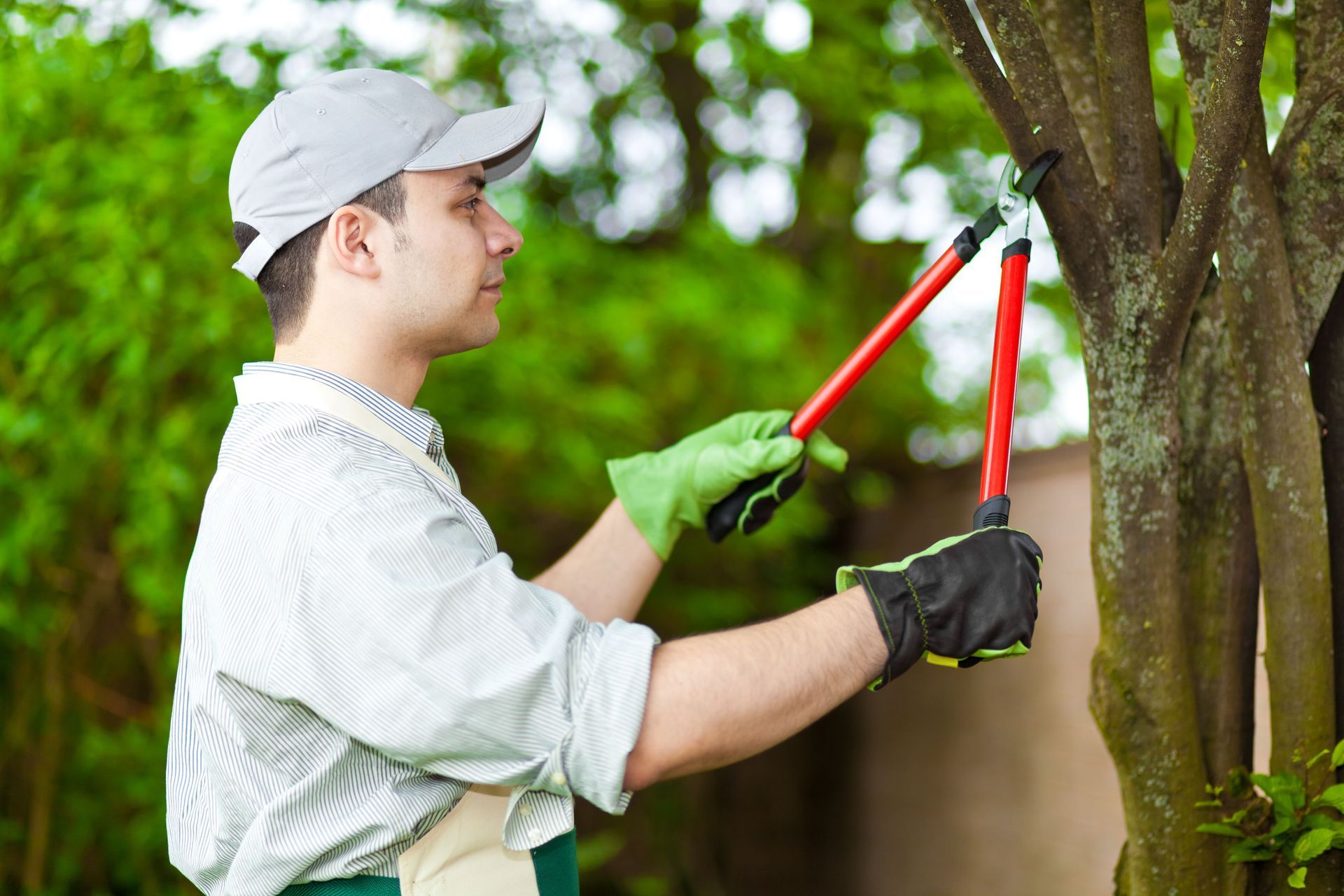
Pruning removes dead, damaged, or diseased limbs that can compromise structural integrity. It also improves air circulation and sunlight penetration throughout the canopy. Strategic trimming reduces weight on heavy branches and minimizes the risk of storm damage. According to Forestry.com, most trees benefit from annual inspections and pruning every 2–3 years, depending on species, health, and location. Following this general guideline keeps growth balanced and prevents overcrowding.
Pruning Techniques
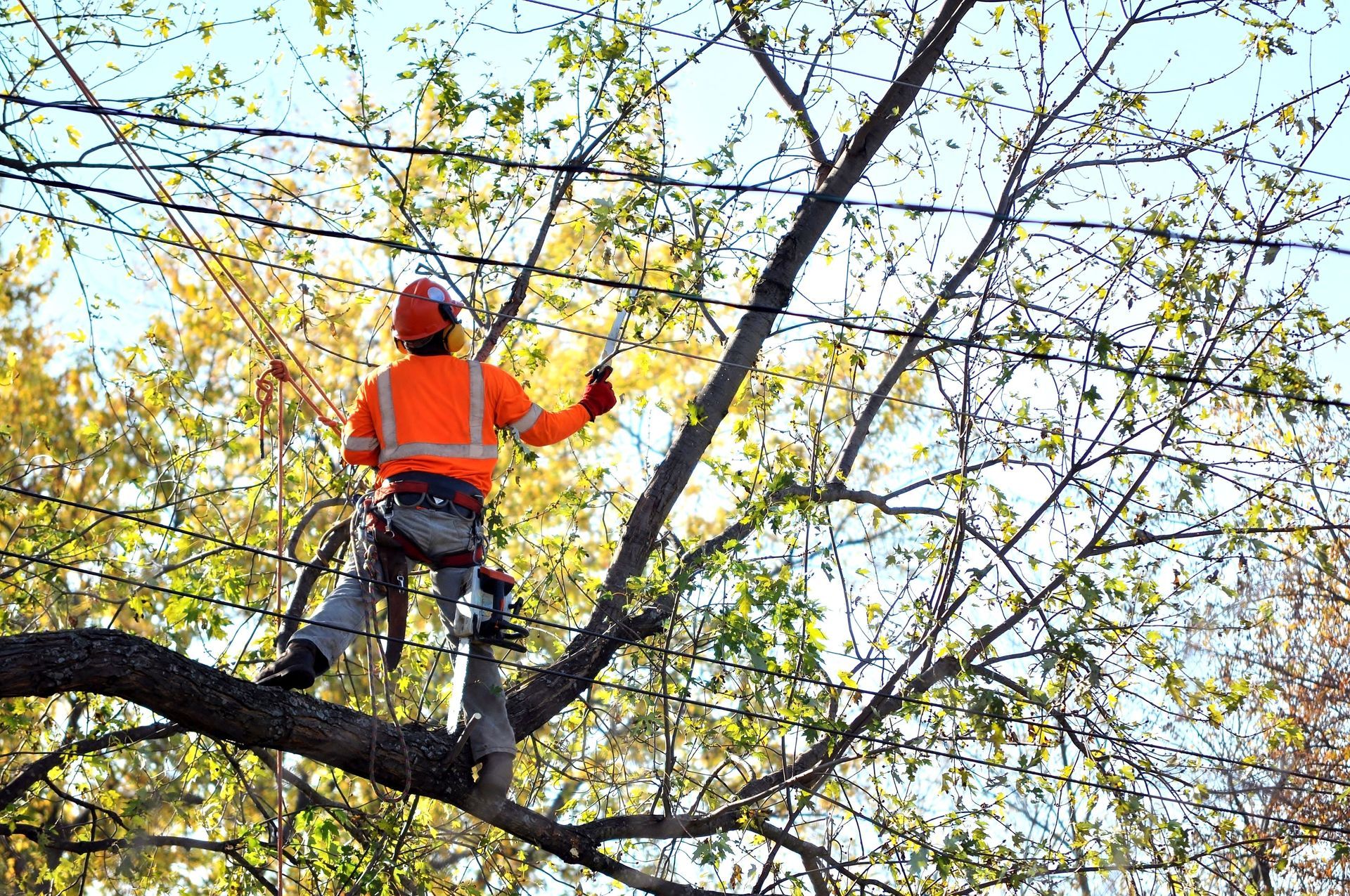
Different trees require different approaches. Thinning selectively removes interior branches to increase airflow. Raising eliminates lower limbs to improve clearance. Reduction trimming controls overall height and spread. Each technique must be applied carefully to avoid stress or improper healing. Experienced professionals from local tree services understand how to shape trees without weakening them.
Timing Considerations
Many species benefit from pruning during dormant seasons when growth slows. This timing reduces stress and encourages vigorous regrowth in spring. Some trees, however, require seasonal adjustments based on sap flow or flowering cycles. A tailored schedule ensures that pruning enhances rather than disrupts development.
Avoiding Improper Cuts
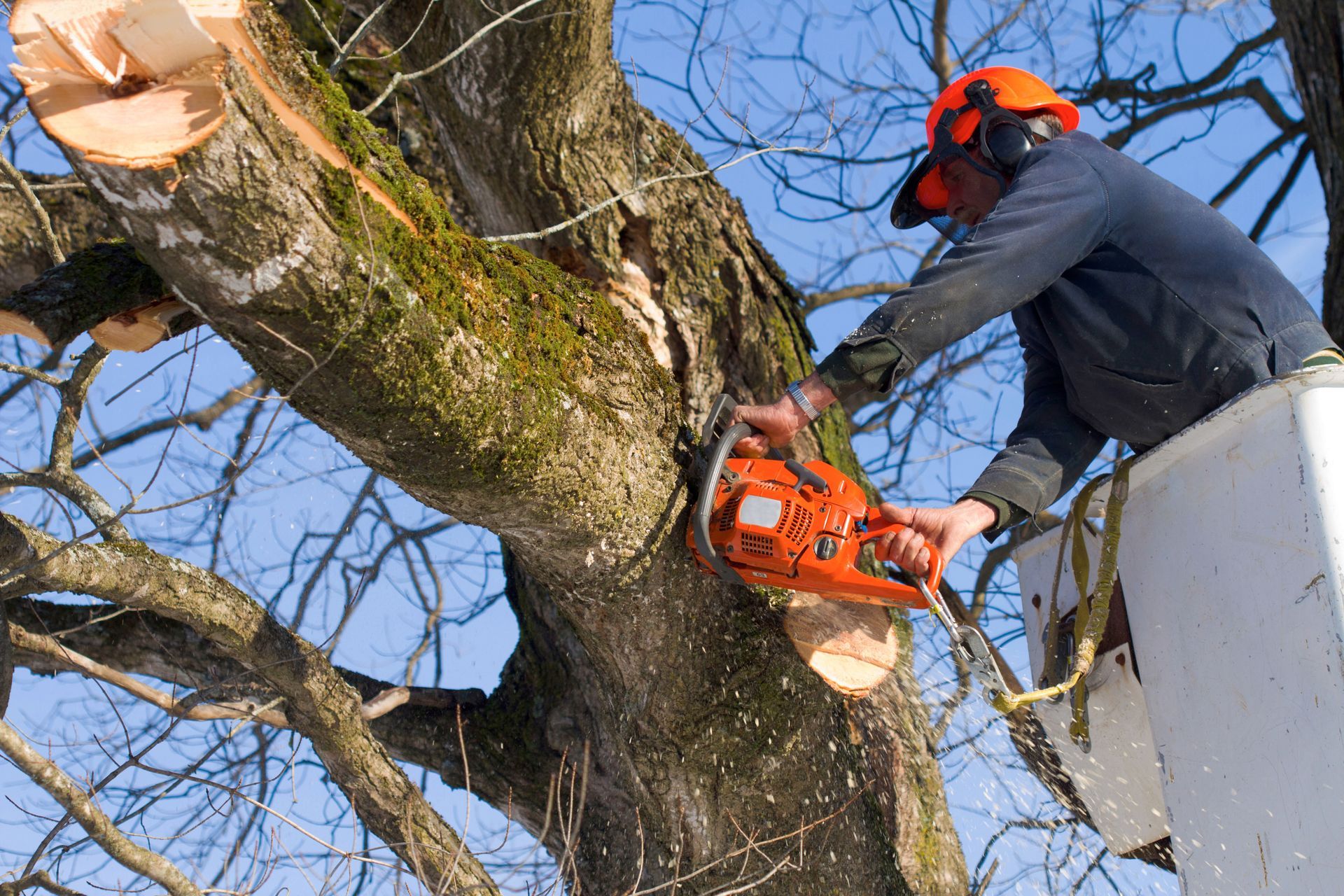
Incorrect pruning can leave trees vulnerable to disease and structural weakness. Over-trimming removes too much foliage, limiting photosynthesis. Cuts made too close to the trunk damage protective bark tissue. Professional arborists use proper techniques and equipment to make clean cuts that heal efficiently.
Routine Inspections and Risk Assessment
Early Detection Benefits
Routine inspections identify concerns such as cracks, decay pockets, or unstable limbs before they pose hazards. Early action reduces the need for extensive corrective work. Local tree services provide detailed assessments that help property owners make informed decisions about maintenance priorities.
Structural Stability Checks
Evaluating trunk integrity and branch attachments is essential for safety. Weak branch unions and hollow sections can indicate internal decay. Root stability is also examined, especially after heavy storms or construction activity. Strengthening measures or selective removal may be recommended when risks are identified.
Advanced Assessment Tools
Visual inspections remain the foundation of tree evaluation, but professionals may also use specialized equipment to measure wood density or detect hidden decay. These methods provide deeper insight into structural soundness and guide precise care strategies.
Pest and Disease Management
Preventative Strategies
Preventative care reduces the likelihood of large-scale infestations. Removing infected debris, maintaining proper spacing, and encouraging strong growth all limit opportunities for pests to thrive. Local tree services often implement monitoring programs that track changes in tree condition throughout the year.
Integrated Pest Management
Integrated Pest Management focuses on long-term prevention with minimal environmental impact. This approach combines monitoring, biological controls, and targeted treatments only when necessary. Encouraging natural predators and maintaining healthy soil ecosystems strengthens tree resilience.
Responsible Treatment Application
When chemical treatments are required, precise application protects surrounding plants and wildlife. Licensed professionals follow safety guidelines and adjust treatments based on weather and species sensitivity. Ongoing follow-up ensures effectiveness and prevents recurrence.
Fertilization and Soil Care
Balanced Nutrient Support
Trees require adequate levels of nitrogen, phosphorus, and potassium, along with trace minerals. Fertilization supports root expansion and canopy development, particularly in urban landscapes where nutrients may be depleted. Soil testing guides accurate application rates and prevents over-fertilization.
Improving Soil Structure
Adding organic matter enhances drainage and microbial activity. Mulching helps regulate temperature and retain moisture while reducing weed competition. These practices create an environment where roots can expand freely and absorb nutrients efficiently.
Water Management
Deep watering encourages roots to grow downward rather than remaining near the surface. Irrigation systems such as drip lines provide steady moisture without oversaturation. Monitoring rainfall and seasonal temperature shifts ensures trees receive consistent hydration.
Addressing Compaction and Erosion
Heavy foot traffic and construction equipment can compact soil, restricting oxygen flow to roots. Aeration relieves compaction and restores healthy structure. Erosion control measures protect exposed roots and stabilize surrounding ground conditions.
Long-Term Tree Management
Creating a Maintenance Plan
A comprehensive maintenance plan outlines inspection schedules, pruning intervals, fertilization timing, and pest monitoring. Partnering with local tree services ensures each tree receives individualized care based on species and location. Consistent documentation also tracks growth patterns and recurring concerns.
Monitoring Growth Over Time
Observing annual growth helps determine whether trees are thriving or experiencing stress. Changes in canopy density, leaf size, or branch development may signal underlying issues. Timely adjustments maintain steady progress and structural balance.
Safety and Liability Prevention
Dead limbs and unstable trees pose risks to buildings, vehicles, and pedestrians. Proactive care reduces liability and prevents costly emergency removals. Regular involvement from local tree services strengthens safety standards across residential and commercial properties.
Adapting to Environmental Changes
Urban expansion and climate fluctuations introduce new challenges for trees. Heat stress, irregular rainfall, and limited root space require adaptive strategies. Selecting appropriate species and modifying care routines improves resilience under shifting conditions.
Benefits of Professional Expertise
Professional arborists bring training, certification, and specialized equipment to every project. Their expertise supports accurate diagnosis and effective treatment. Local tree services also guide planting decisions, spacing considerations, and long-term landscape planning. Investing in professional care protects property value and preserves the natural beauty of mature trees.
Consistent maintenance is essential for sustaining healthy, stable trees. Through inspections, pruning, soil management, and pest control, local tree services play a vital role in preserving structural integrity and environmental benefits. Thoughtful planning and proactive care reduce hazards, extend lifespan, and promote steady growth. With regular attention and expert support, trees remain strong assets that enhance landscapes for generations. For more information, contact Home Grown Tree Care, LLC.