September 9, 2026
Trees bring immense beauty and vital shade to residential areas and commercial properties alike. However, when branches grow close to electrical infrastructure, the situation changes from a standard landscaping feature to a severe hazard. Homeowners attempt backyard work to save money, lacking the knowledge required to navigate high-voltage cables. Pruning foliage in these specific areas presents peril. Without specialized training, an individual risks catastrophic injury.
Utilizing a professional tree service ensures the work meets stringent safety standards. Experts understand how electricity arcs and leaps between objects, transforming a simple pruning job into a lethal scenario. The proximity of live cables dictates that precision is required. By avoiding amateur attempts, property owners protect themselves, their neighbors, and local utility infrastructure. Relying on qualified experts remains the optimal choice. Specialists guarantee a secure environment.
Recognizing the Hidden Dangers of Electrical Currents
Electricity follows the path of least resistance, and moisture within branches provides an excellent conductor. When a person touches a branch making contact with an active cable, current travels through the wood and into the human body. This instantaneous transfer causes severe burns or fatal electrocution. People underestimate how electricity behaves outdoors. Water inside the bark transforms a harmless limb into a deadly extension of the grid.
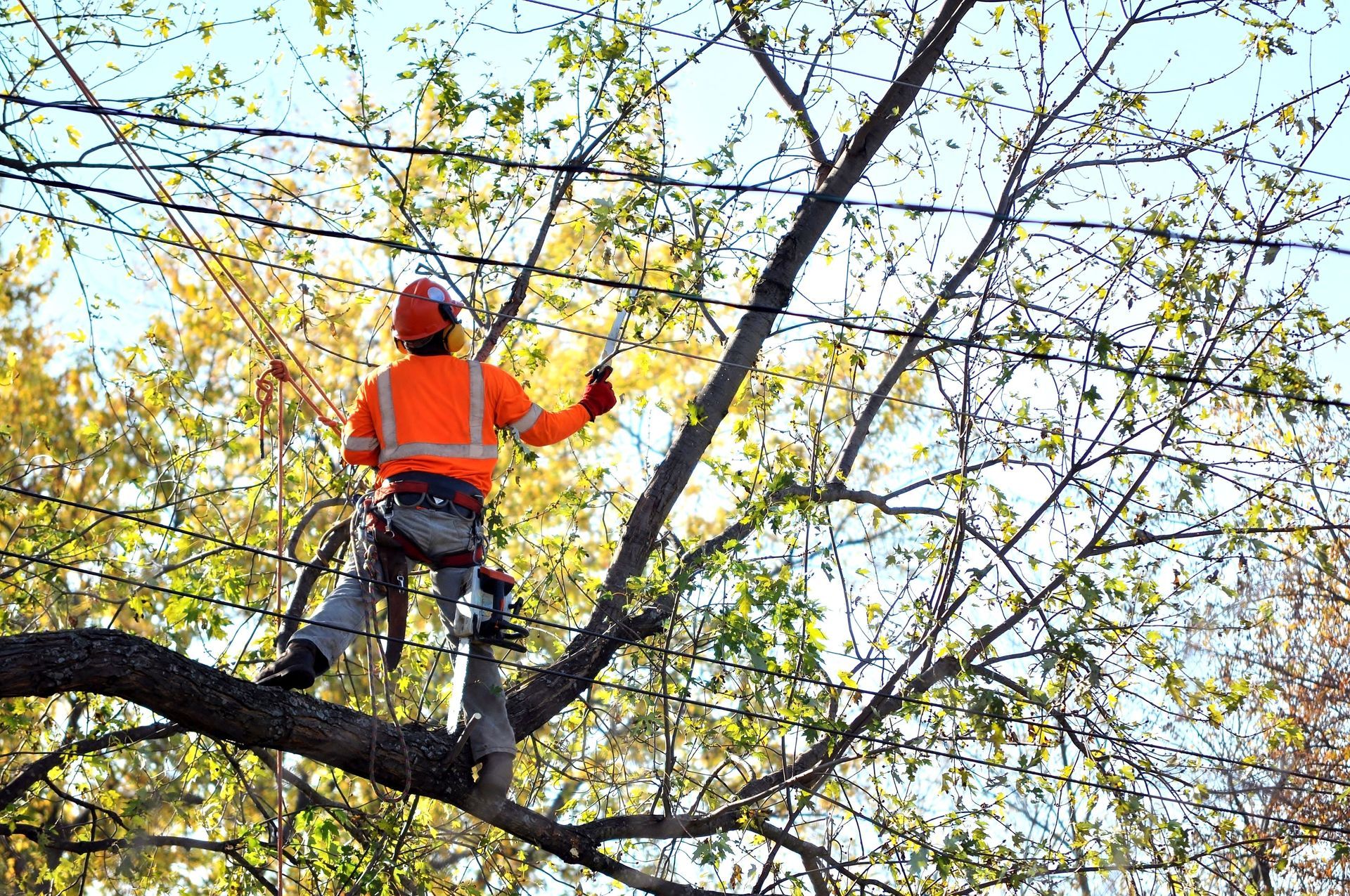
Power lines do not require direct physical contact to cause harm. High-voltage energy arcs through the air, bridging gaps between cables and nearby foliage. An individual standing on a metal ladder holding an aluminum pole creates a perfect grounded circuit. Energy leaps from the wire to the tool, transferring lethal voltage. Maintaining a buffer zone remains critical for survival. Amateurs cross this boundary without realizing the impending doom.
Specialized crews wear insulated gear and utilize non-conductive tools to mitigate these hazards. A professional tree service understands the exact clearance distances required to prevent electrical arcing. Workers undergo rigorous training to identify active wires and distinguish them from harmless communication cables. The average homeowner lacks this critical diagnostic skill. Proper personal protective gear absorbs unexpected shocks and saves lives during unforeseen circumstances.
In addition, sudden branch shifts during the cutting process cause unpredictable movements. A severed limb might swing upward, striking the lines and causing an immediate power outage or fire. Professionals employ controlled rigging techniques to guide falling wood away from infrastructure. This level of control prevents disastrous consequences and maintains community safety. Ground crews direct ropes to guide the descent away from the danger zone.
Understanding the Proper Techniques for Branch Removal
Removing heavy limbs requires more than a simple saw and gravity. Workers must calculate the weight, angle, and trajectory of falling wood before making cuts. Incorrect cutting sequences cause bark tearing, damaging the trunk and leading to disease. Experts utilize precise notch cuts to dictate the landing spot for each section. Calculating the hinge angle ensures the limb falls away from hazardous cables.
Arborists utilize specialized lowering devices and ropes to control descent speeds. Instead of allowing heavy timber to crash down, they lower pieces segment by segment. This careful dismantling prevents vibrations from shaking the canopy into active wires. Attempting this without proper rigging equipment guarantees disaster. Frictional devices wrapped around the trunk absorb the massive weight of severed wood. This meticulous process ensures no stress transfers to the standing structure.
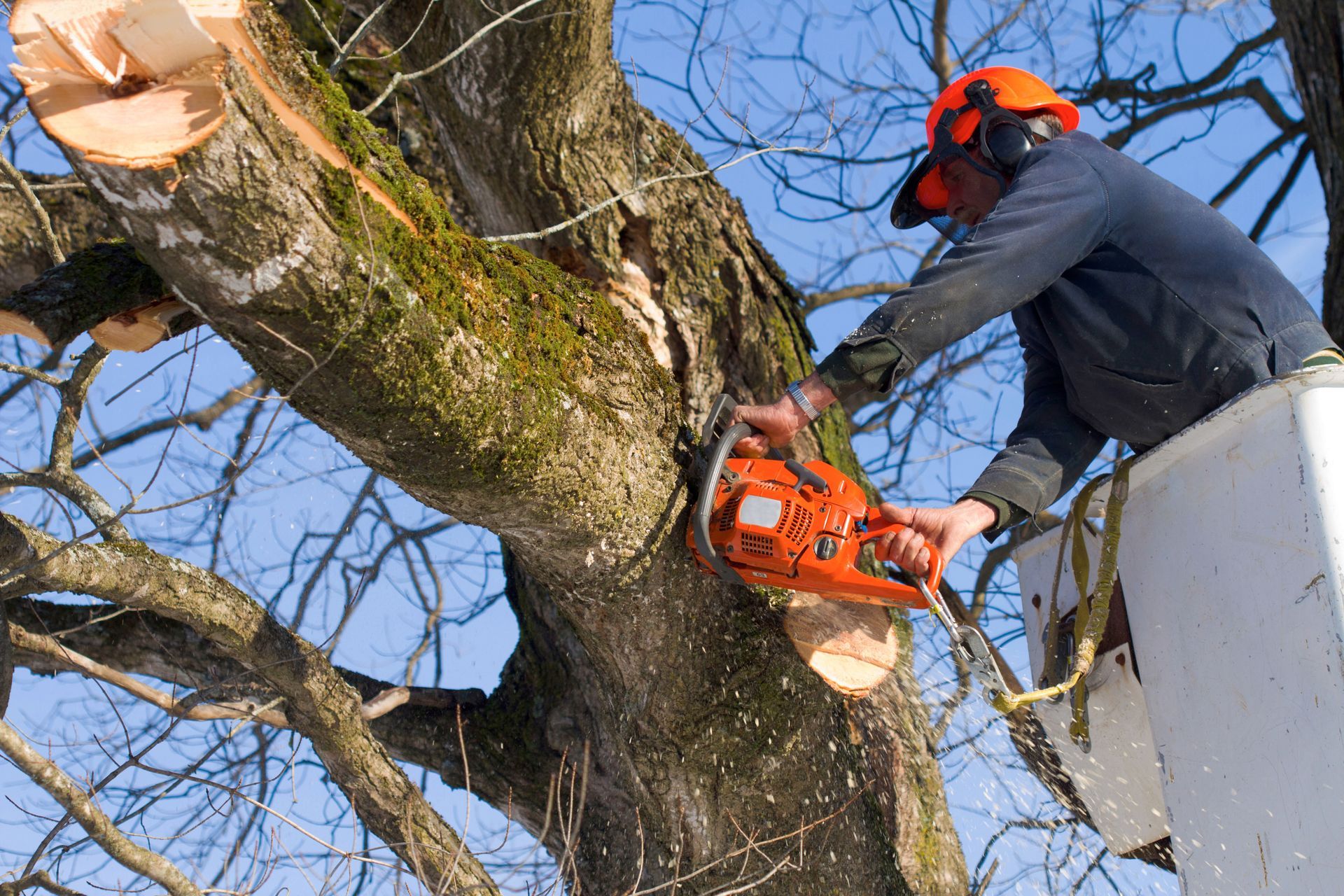
Hiring a reputable tree service provides access to bucket trucks and elevated work platforms. These vehicles allow workers to reach the canopy without climbing unstable trunks or resting ladders against precarious branches. The stable platform reduces worker fatigue and increases overall precision. Secure footing allows operators full focus on cutting technique rather than maintaining balance. Fall arrest harnesses provide an additional layer of security.
According to Forestry.com, any tree that is over 12 feet, is near structures, or is near power lines should be managed by professionals due to safety risks. This fact highlights the necessity of expert intervention for overhead work. Ordinary landscaping tools fail to provide the control necessary for such precarious operations. Chainsaws require enormous strength and stability to operate at elevated heights. Specialists train for years to master these tools in hazardous environments.
Evaluating the Severe Risks to Personal Property
Beyond personal injury, amateur trimming jeopardizes homes, vehicles, and neighboring lots. A misjudged cut sends heavy timber crashing through roofs or smashing windshields. The sheer mass of falling wood generates incredible destructive force upon impact. Repairing this damage costs a vast amount more than hiring experts in the beginning. Property owners face monumental repair bills when gravity takes control of a severed branch.
Severing lines causes power surges that destroy appliances and sensitive electronics inside nearby homes. When a branch breaks an active wire, the resulting surge travels through the localized grid. Homeowners face massive replacement costs for ruined televisions, computers, and climate control systems. A qualified tree service implements strategies isolating branches from surrounding infrastructure. Preventing line strikes protects internal circuitry across the neighborhood grid.
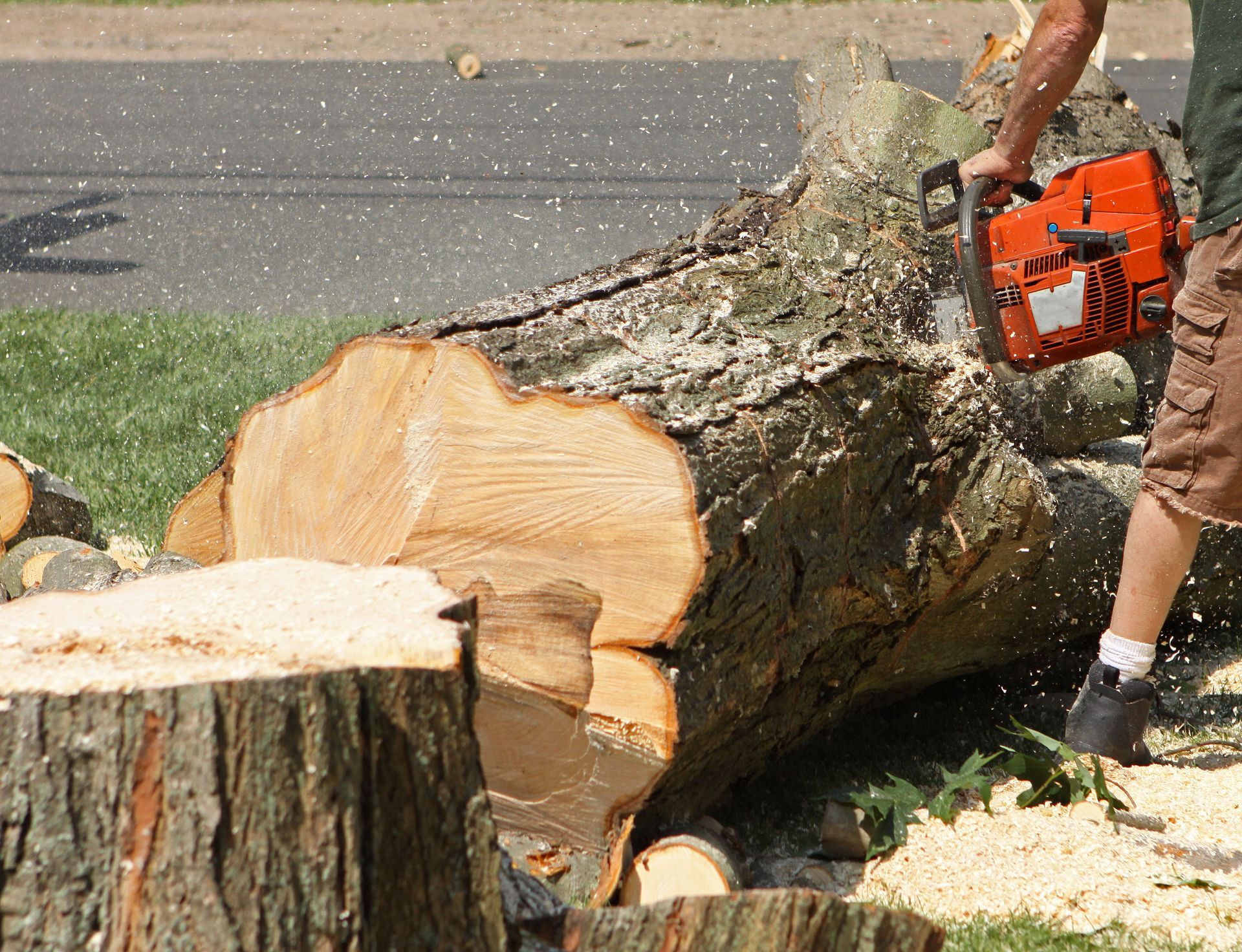
Falling debris also damages underground utilities if massive trunks impact the soil with enough force. The shockwave from a falling log ruptures water pipes or cracks concrete driveways. Professionals lay down protective matting and control landing zones to cushion impacts. This foresight protects the unseen infrastructure buried beneath the lawn. Preserving underground systems prevents flooding and sewage backups. Amateurs fail to consider fragile pipes resting beneath the grass surface.
Mishandled equipment creates additional property hazards. Dropped chainsaws or runaway poles cause immense destruction to siding and windows. Experts secure tools with lanyards and utilize ground crews to maintain safe zones around the work area. This comprehensive approach guarantees the protection of physical assets near the worksite. Tethered gear prevents rogue tools from plummeting toward parked cars or decorative landscaping. Tool management remains a core component of overall site safety.
Acknowledging the Legal Liabilities of Improper Work
Property owners bear full responsibility for accidents occurring on their land during backyard projects. If an amateur drops a limb on an adjacent roof, the resulting lawsuit causes financial ruin. Homeowners insurance policies deny claims resulting from amateur work. The legal fallout from property damage creates long-term financial distress. Neighbors hold the right to sue for structural repairs. Civil court battles drain savings accounts and destroy neighborhood relationships.
Striking a municipal powerline violates local regulations and results in substantial fines. Utility companies pursue aggressive compensation for repairs to their infrastructure and for the loss of service to other customers. The city bills the responsible party for the emergency response and line restoration. These penalties dwarf the cost of hiring professionals. Municipalities show no leniency for individuals who compromise the public energy grid.
Contracting a professional tree service transfers this liability from the homeowner to the corporation. Reputable companies carry robust insurance policies covering accidental damage and worker injuries. Before commencing any work, property owners must verify these credentials to ensure comprehensive protection. Corporate liability policies possess massive limits to cover extreme disasters. Transferring the risk protects the personal assets and future earnings of the homeowner.
In addition, municipalities require specific permits for altering canopies near public utilities. Experts navigate this bureaucratic process, ensuring all work complies with local ordinances and environmental protections. Amateurs ignore these rules, risking stop-work orders and citations. Professional compliance guarantees a smooth, legal operation from start to finish. Navigating the legal framework requires industry knowledge and established relationships with city planners.
Using a dedicated tree service provides peace of mind and guarantees safety. These experts arrive equipped with the knowledge, tools, and insurance necessary to conquer the challenge. By prioritizing safety and relying on skilled professionals, homeowners protect their lives, property, and neighborhood ecosystem. The investment in proper arboriculture yields dividends in security. The risks remain too monumental to accept another path. Reach out to us at Home Grown Tree Care, LLC to safely manage those hazardous branches near your power lines. We provide professional tree service to protect your home and keep your family secure.