June 26, 2026
Maintaining vibrant, healthy trees requires a level of specialized knowledge and structural skill that goes far beyond basic yard care. Entrusting your landscape to certified arborists ensures that your trees are structurally sound, biologically resilient, and strategically pruned to thrive in their specific environment. By choosing professional tree services, you actively protect your property from hazardous liabilities while transforming your outdoor space into a high-performing aesthetic asset.
1. Improving Tree Health
1.1 Regular Pruning and Trimming
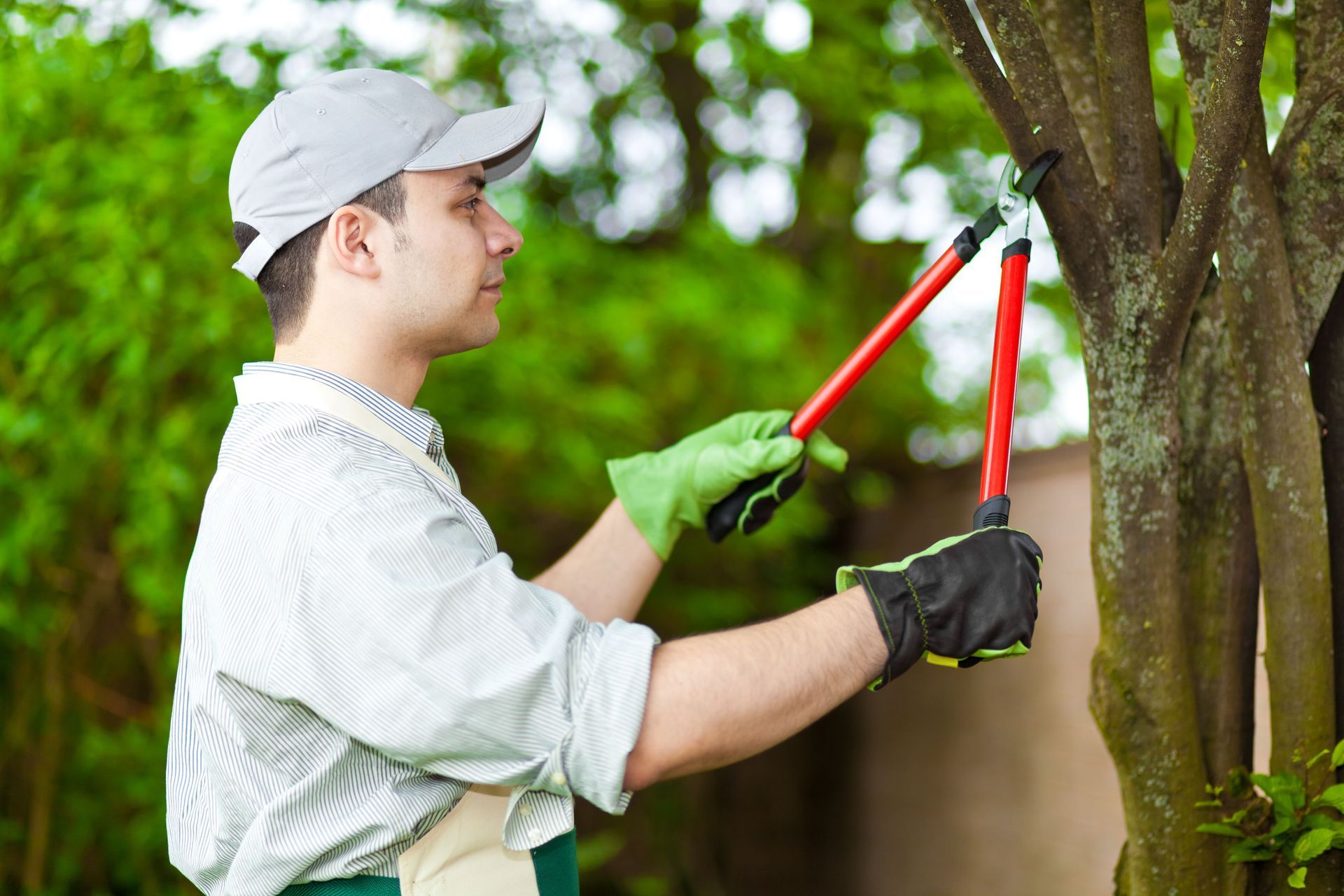
Regular pruning and trimming are crucial practices in tree care that contribute substantially to the overall health of trees. Professional arborists understand the precise methods of pruning, including the selective removal of branches to enhance tree structure and promote healthier growth. By removing dead or diseased branches, professionals can prevent the spread of tree diseases, facilitating a more robust tree. Additionally, proper trimming improves air circulation and increases sun exposure, vital components in a healthy tree's photosynthesis process.
Besides health benefits, aesthetic improvements are achieved through regular tree trimming. A well-manicured tree enhances the visual appeal of a landscape, contributing to a more pleasing environment. Professional services can expertly shape trees to complement the landscape design of a property, ensuring a harmonious aesthetic. Furthermore, maintaining a tree's shape can increase its lifespan by preventing branch stress and related breakage. This proactive care aligns with the growing interest among 22% of homeowners seeking professional tree services, such as removal or pruning, according to ConXPros.
1.2 Disease Identification and Treatment
Professional tree care services offer advanced expertise in identifying and treating tree diseases, a task that requires specialized knowledge. Arborists conduct thorough inspections to detect early signs of disease, enabling timely interventions. Fast action is critical in preventing diseases from spreading to neighboring trees, safeguarding the arboreal ecosystem. This targeted approach can include a range of treatments, from fungicides to other organic solutions, improving the tree's resilience. In essence, professional disease management is fundamental to maintaining the long-term health and sustainability of tree populations.
Arborists are adept at implementing integrated disease management strategies that combine cultural, physical, and chemical controls to address specific tree ailments. These strategies are tailored to suit the unique conditions of each tree and its environment. Securing dedicated tree services ensures access to cutting-edge diagnostic tools that enable arborists to precisely diagnose and treat a wide range of diseases, securing the vitality of trees. This proactive management contrasts with the reactive measures homeowners might otherwise engage in, often leading to more extensive damage.
1.3 Pest Management Strategies
Pests pose a significant threat to trees, affecting their health and growth potential. Professional contractors employ integrated pest management (IPM) strategies to control these threats efficiently and sustainably. IPM methods involve monitoring pest populations, recognizing pest life cycles, and identifying the most effective times for intervention. This scientific approach aids in reducing reliance on chemical pesticides, emphasizing ecologically sound practices. By collaborating with experts who provide comprehensive tree services, tree owners benefit from pest control strategies that protect not only tree health but also the wider environment.
2. Enhancing Property Value
2.1 Increasing Curb Appeal
The visual appeal of a property is a significant factor in its market value, and well-maintained trees contribute prominently to enhancing curb appeal. Trees provide color, texture, and natural beauty, serving as the centerpiece of many landscape designs. Professional arborists are equipped with the knowledge and tools necessary to maintain tree aesthetics through shaping, pruning, and trimming efforts. Aesthetically pleasing trees create a welcoming and serene atmosphere, encouraging prospective buyers and increasing the property's attraction.
The presence of healthy, mature trees is frequently cited among the most desirable features of residential properties. These trees are not only visually captivating but also indicative of a well-cared-for landscape, inviting potential buyers to further explore the property. In particular, strategically positioned trees frame vistas, create shade, and accentuate architectural features, enhancing the overall appearance of homes. Seeking regular tree services ensures that trees reach their full ornamental potential, amplifying interest and demand within the real estate market. Ultimately, professional maintenance directly nurtures the landscape, serving as a crucial element in property real estate appeal.
2.2 Strategic Landscaping Design
Strategic landscape design is essential in maximizing property aesthetics and functionality, with trees playing a vital role. Professional arborists collaborate with designers to create synergistic landscapes that seamlessly integrate natural elements and manmade structures. Their expertise in optimizing tree placement enhances both privacy and shade while accentuating the home's architectural features. By considering factors such as sun exposure, shade patterns, and microclimates, professionals ensure that trees contribute positively to the landscape's energy efficiency.
Effective landscape design is guided by the principle of balance, achieving harmony through the careful selection and placement of trees, shrubs, and plants. Scheduling recurring tree services ensures that plantings remain responsive to the unique characteristics of the property, enhancing its function and beauty. Such landscapes engage the senses, establishing inviting outdoor spaces for relaxation and recreation. Extensive knowledge helps pick native or suitable species that thrive in specific environments, reducing maintenance requirements and resource consumption.
2.3 Property Assessment and Recommendations
A comprehensive property assessment is foundational to formulating effective tree care strategies, and professional companies perfectly position arborists to conduct such evaluations. Arborists use their expertise to assess tree health, identify structural vulnerabilities, and propose strategic interventions tailored to individual properties. Their assessments encompass an extensive range of elements, including tree species, age, location, and potential risks, ensuring comprehensive property analysis. Relying on specialized tree services guides homeowners in making decisions regarding the health and maintenance of their vegetation, supporting effective landscape management.
3. Ensuring Safety and Preventing Hazards
3.1 Identifying and Removing Hazardous Trees
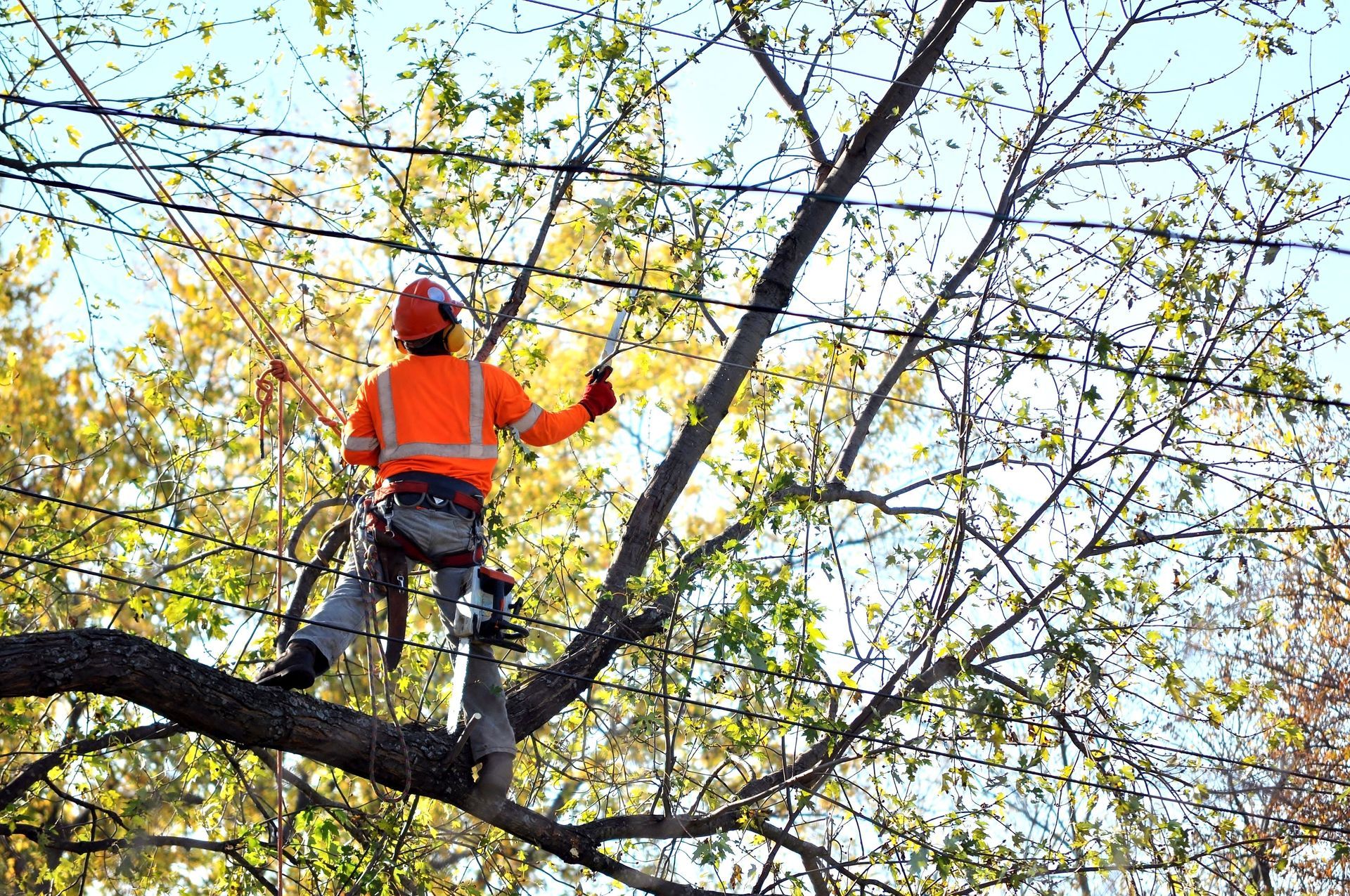
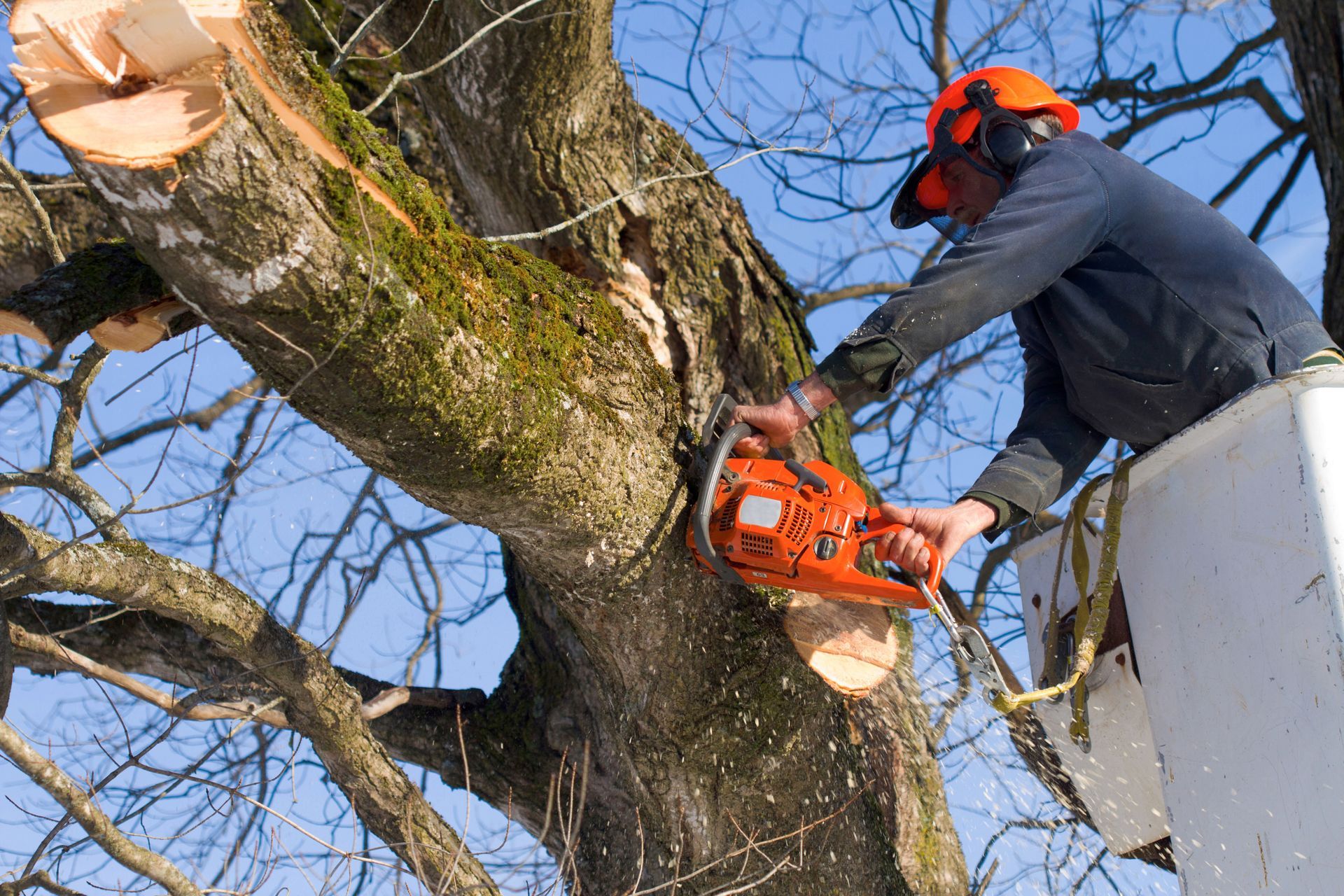
The removal of hazardous trees is a critical component of professional tree care aimed at ensuring safety and preventing potential property damage. Arborists are trained to identify warning signs of instability, such as root damage, hollow trunks, or dead limbs, which could compromise tree safety. Using precise techniques, they assess trees at risk of falling, prioritizing timely interventions. This proactive management significantly reduces risks associated with falling trees, mitigating potential accidents and related liabilities. In this way, professional tree services are vital in contributing to a safe living environment.
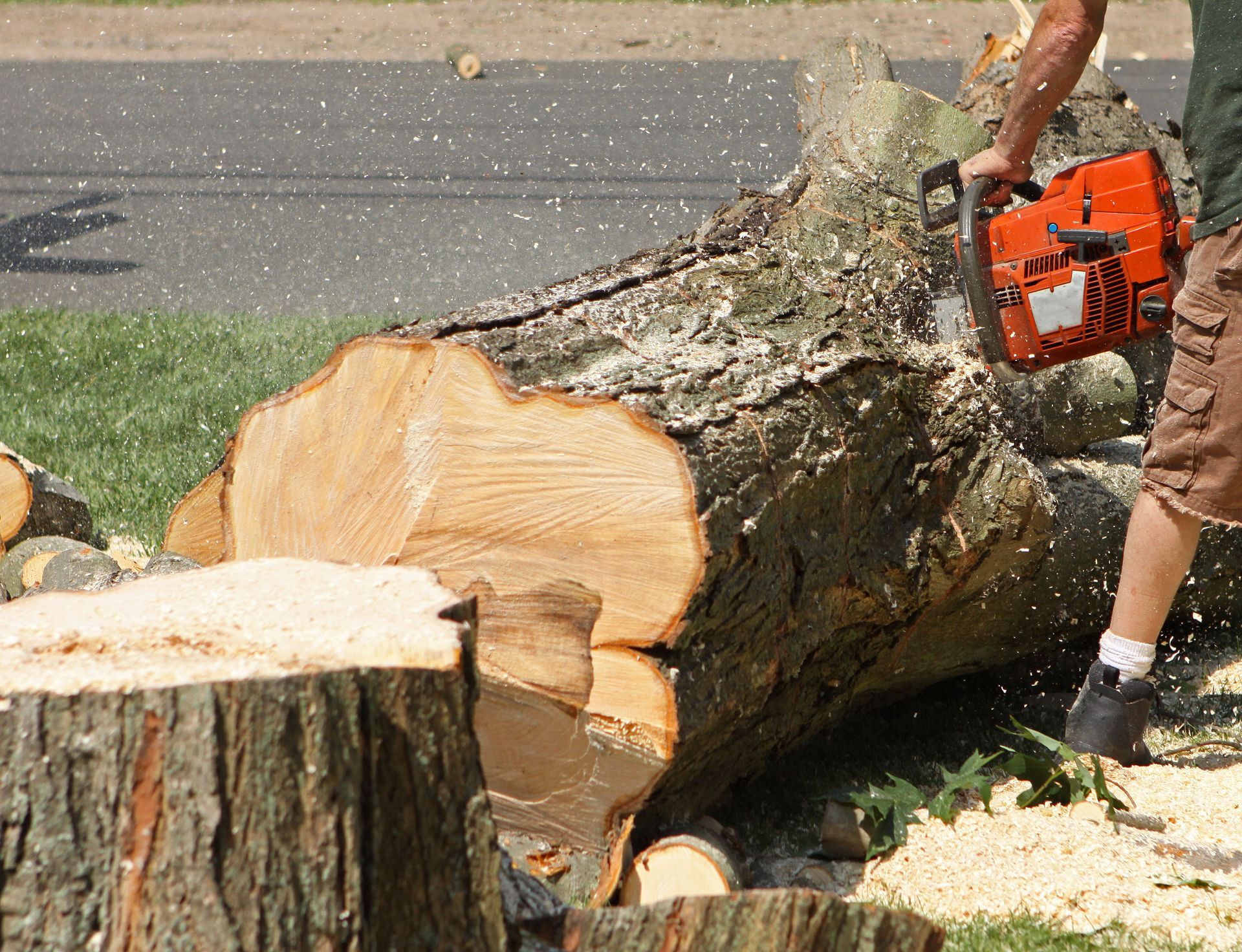
Professional identification involves a comprehensive analysis, evaluating both visible signs of hazard and underlying structural vulnerabilities. By assessing surrounding conditions and tree species-specific characteristics, arborists offer informed opinions on tree felling necessity. The efficient removal of hazard-prone trees protects structures, people, and landscape aesthetics, ensuring homes and surrounding areas remain safe and attractive. Professionals employ strategic methods in tree removal, considering safety alongside environmental impacts, reinforcing their essential role in safeguarding against potential tree hazards.
3.2 Storm Damage Prevention
Professionals play an important role in mitigating risks associated with storm damage to trees, offering guidance in structural maintenance and preventive care strategies. By implementing techniques such as crown thinning, arborists reduce wind resistance, minimizing the likelihood of breakage during storms. Structural pruning enhances tree resiliency, preventing limbs from becoming entangled and increasing their stability.
Regular assessments during critical growth periods ensure storm readiness, minimizing risk by addressing structural integrity and root health. Implementing such preventive measures highlights the significance of engaging professionals for comprehensive storm damage prevention strategies. Arborists often provide post-storm options, assessing tree damage, recommending structural repairs, and managing debris removal. Their expertise in hazard evaluation minimizes disruption, ensuring both property safety and landscape preservation are prioritized post-adverse weather events.
Investing in professional tree maintenance is a vital step toward safeguarding the safety, beauty, and ecological health of your entire property. From preventing devastating storm damage to executing flawless structural pruning, certified arborists provide the deep horticultural expertise necessary to extend the lifespan of your mature trees. Ultimately, this proactive care shields your home from unexpected liabilities and significantly elevates your property's long-term market value.
Contact Home Grown Tree Care, LLC today to schedule your consultation for premium tree services and receive a free project estimate from our certified arborists.